Discover why Emotional Intelligence is crucial for your child’s personal and academic growth.
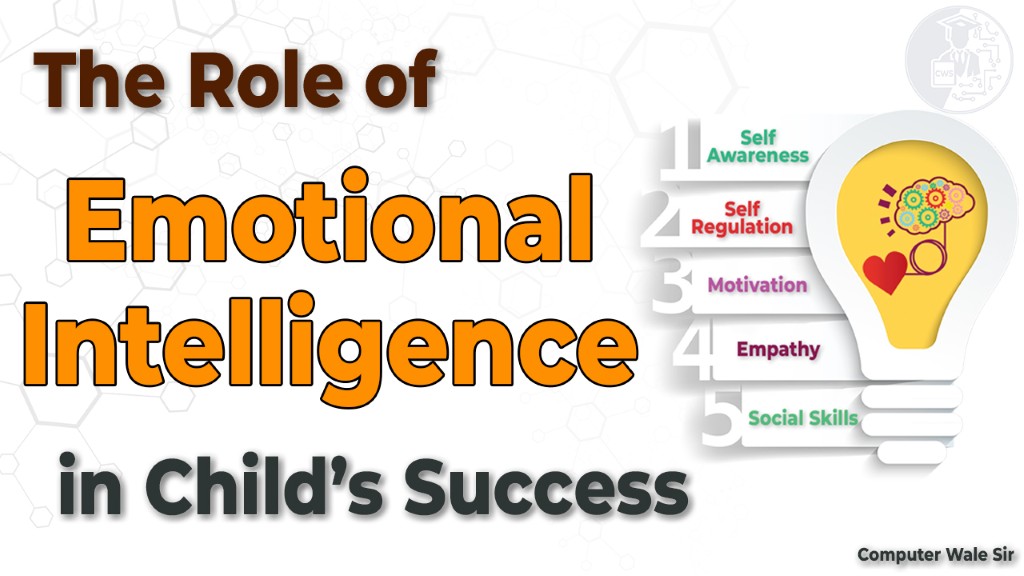
Emotional Intelligence (EI) is more than just a buzzword; it is a critical skill that shapes how we understand and manage emotions, both our own and others’. But what role does Emotional Intelligence play in your child’s journey to success? Surprisingly, it can be as important, if not more so, than traditional IQ.
Let’s explore why Emotional Intelligence is crucial for your child’s personal and academic growth.
While IQ focuses on cognitive abilities like logic and problem-solving, Emotional Intelligence emphasizes emotional and social competencies. Both are vital, but Emotional Intelligence often determines how effectively a child can use their intellectual skills.
i. Building Strong Relationships: Children with high Emotional Intelligence are better at forming meaningful connections. They are empathetic, communicate well, and resolve conflicts constructively.
ii. Coping with Challenges and Stress: Emotional Intelligence helps children manage stress, bounce back from setbacks, and maintain a positive outlook.
iii. Developing Leadership Skills: Empathy and social skills, key components of Emotional Intelligence, are foundational for leadership. Children with high Emotional Intelligence often become role models among peers.
i. Better Focus and Self-Discipline: Children with strong emotional regulation can concentrate better and avoid distractions.
ii. Collaboration and Teamwork: Group projects and classroom discussions become easier for emotionally intelligent children.
iii. Problem-Solving Abilities: High Emotional Intelligence enhances a child’s capacity to approach problems creatively and calmly.
i. Active listening: Pay attention to what your child says without interrupting.
ii. Validating Emotions: Let your child know their feelings are understood.
iii. Teaching Empathy: Encourage your child to see situations from others' perspectives.
i. Promoting a supportive environment: Schools should create spaces where children feel safe to express emotions.
ii. Encouraging group activities: Teamwork exercises help children practice social skills.
i. Stories of Successful Individuals with High Emotional Intelligence: From leaders like Nelson Mandela to entrepreneurs like Oprah Winfrey, many successful figures owe their accomplishments to high emotional intelligence.
ii. Everyday Scenarios Where Emotional Intelligence Makes a Difference: A child who comforts a sad friend or resolves a playground conflict is demonstrating Emotional Intelligence in action.
i. Tools and Assessments for Emotional Intelligence: Tests like the EQ-i Youth Version can evaluate Emotional Intelligence.
ii. Signs of High and Low Emotional Intelligence: High Emotional Intelligence includes empathy and adaptability, while low Emotional Intelligence may involve emotional outbursts and poor communication.
i. Success in Personal Relationships: High Emotional Intelligence fosters understanding, patience, and strong interpersonal bonds.
ii. Career Growth and Professional Success: Employers value Emotional Intelligence traits like teamwork, leadership, and conflict resolution.
i. Emotional Intelligence is Just Being Nice: It’s much more—it’s about managing emotions effectively, not just being agreeable.
ii. Emotional Intelligence Cannot Be Learned: Emotional Intelligence is a skill that can be developed through practice and guidance.
Emotional intelligence isn’t just an add-on; it’s a fundamental part of a child’s success. By nurturing Emotional Intelligence from a young age, parents and educators can equip children with tools to thrive in relationships, academics, and careers. Start today—it’s never too early to focus on emotional growth!
Encourage open communication, model emotional management, and teach empathy through storytelling and role-playing.
Both are crucial, but Emotional Intelligence often determines how well a child can use their IQ in real-life situations.
Absolutely! Emotional Intelligence can be nurtured through consistent practice and supportive environments.
Group games, journaling emotions, and practicing gratitude are effective ways to enhance Emotional Intelligence.
Emotional Intelligence fosters resilience, adaptability, and relationship skills, which are essential for long-term success.
If you find these suggestions helpful, please share them to inspire others!
 Computer Wale Sir